Why Photorealistic 3D Rendering Is Replacing Traditional Product Photography
The shift is already happening. Across industries — consumer electronics, furniture, fashion, automotive, architecture — brands are quietly replacing traditional product photoshoots with 3D rendered imagery. Not because the results look “good enough.” Because in many cases, they look better.
At OPTIX CGI, we’ve watched this transition accelerate over the past two years. Here’s what’s driving it, what it means for brands, and why the question is no longer “should we consider 3D?” but “how quickly can we make the switch?”
The Problem With Traditional Product Photography
A standard product shoot sounds simple until you’re in the middle of one. The logistics alone — sourcing physical samples, booking studios, managing lighting rigs, coordinating photographers and stylists, handling post-production — introduce layers of cost, time, and friction that compound with every SKU.
For a single hero product, a traditional shoot is manageable. For a catalog of 50 variants in six colorways across three markets, it becomes a genuine operational challenge. Add last-minute design changes, regional packaging differences, or a product that hasn’t physically been manufactured yet, and the traditional workflow starts to break down entirely.
3D rendering sidesteps almost all of it.
What “Photorealistic” Actually Means Today
The word gets used loosely, so it’s worth being specific. Photorealistic 3D rendering today means physically-based rendering — light behaves as it does in the real world, materials respond to illumination with accurate reflection, refraction, and subsurface scattering properties. The result, at its best, is indistinguishable from a photograph.
Not approximately. Not close. Indistinguishable.
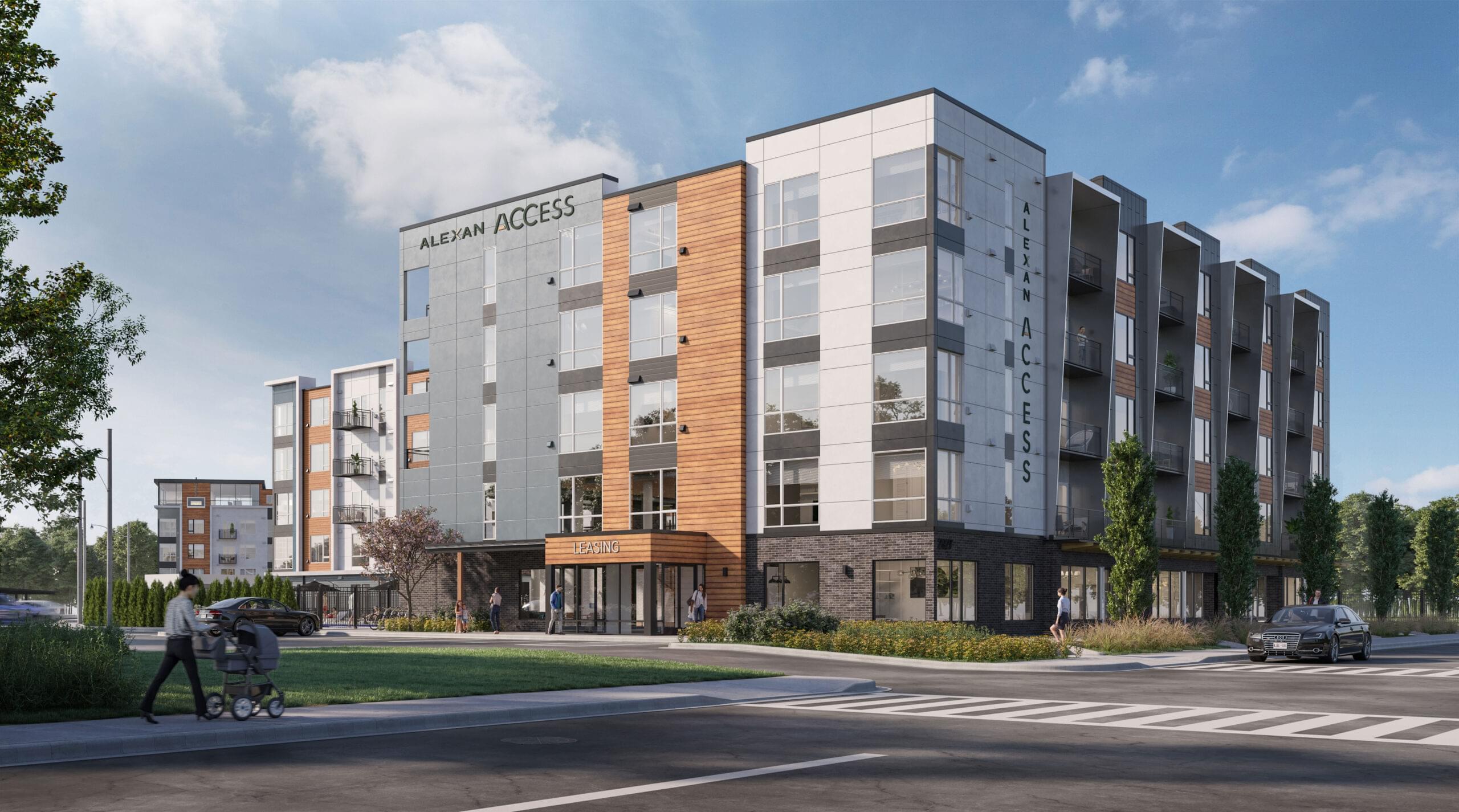
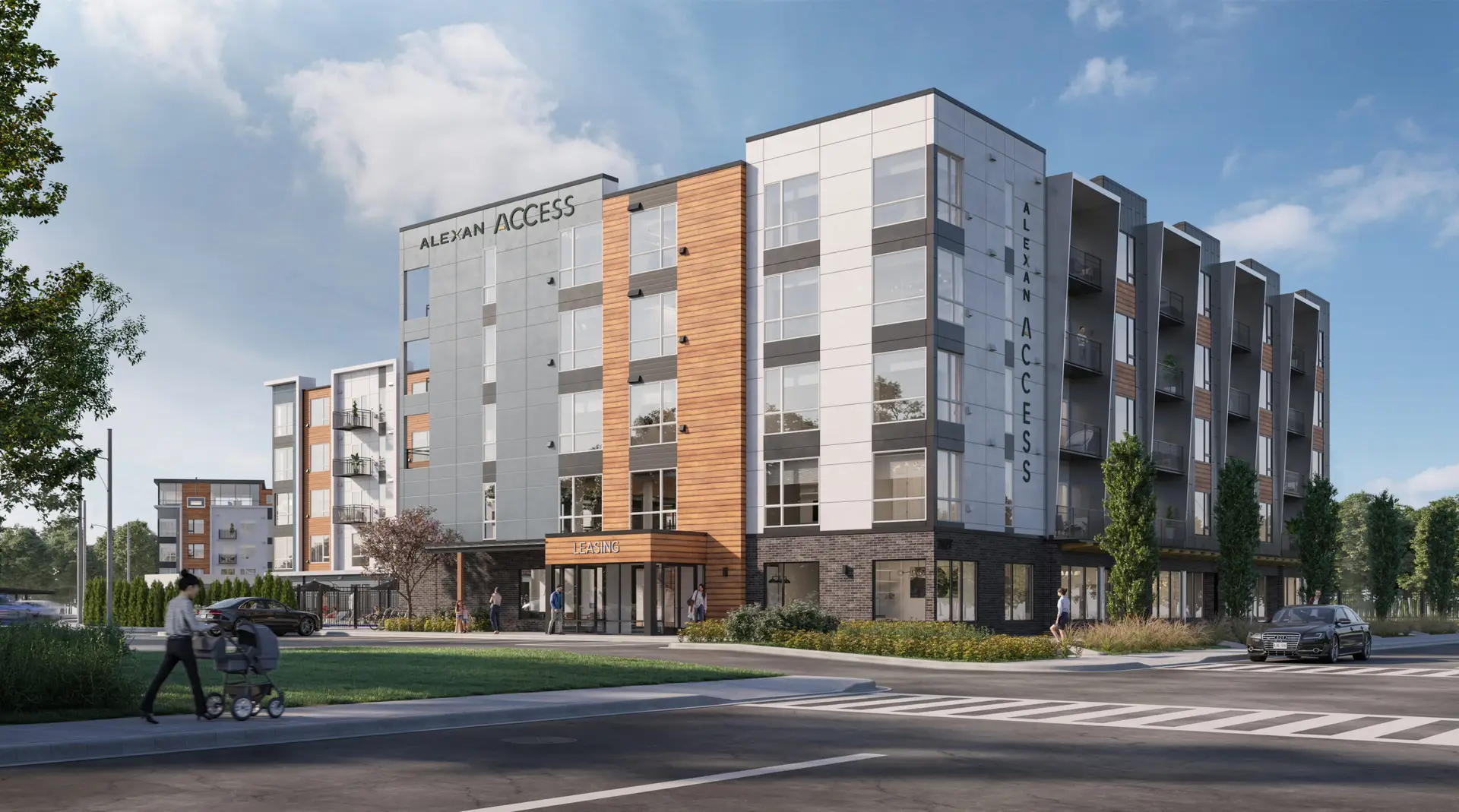
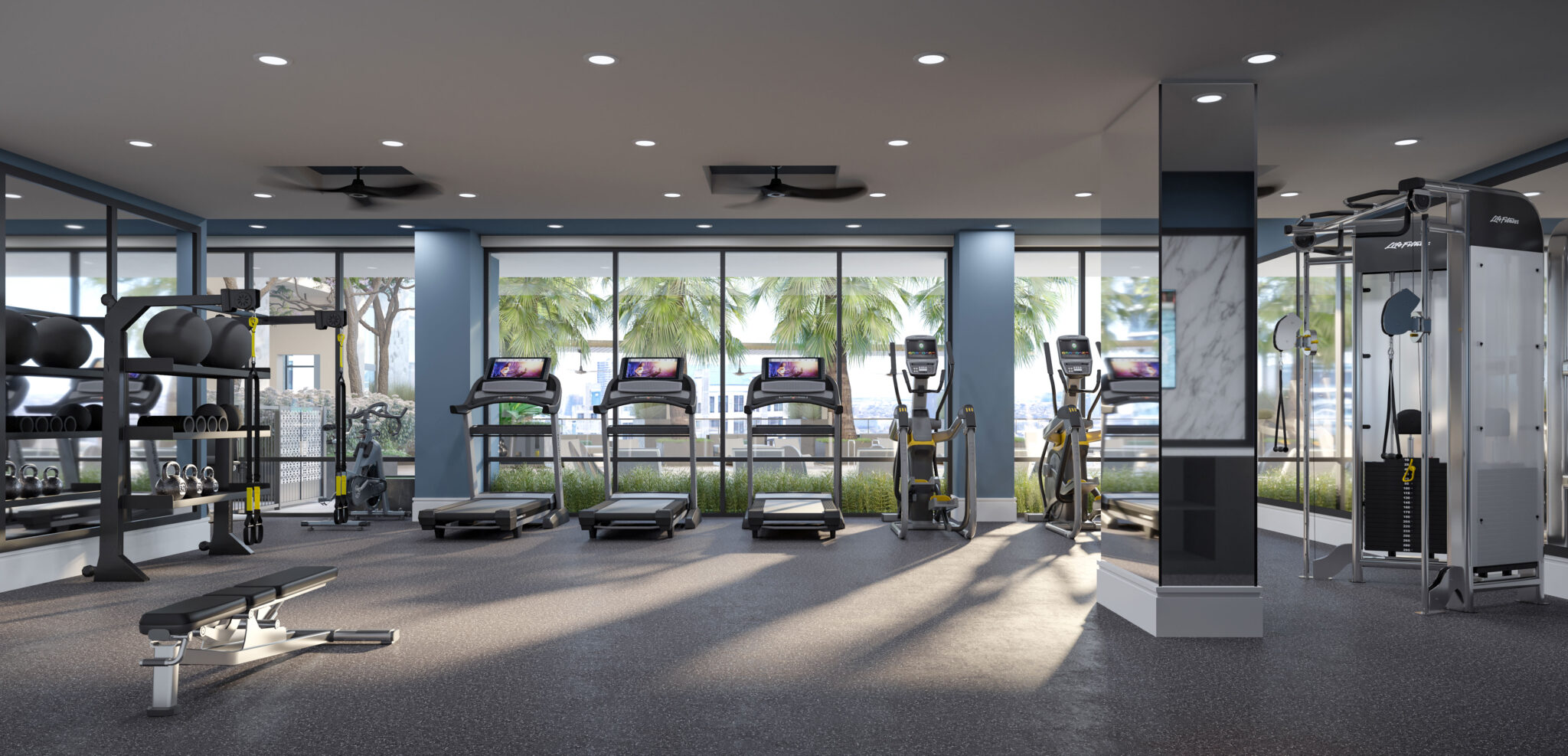
Studios like OPTIX CGI work at this level daily — architectural interiors, product hero shots, lifestyle scenes — all produced entirely in 3D, delivered alongside photography from equivalent productions, and consistently mistaken for the latter.
The gap has closed. For most product categories, it closed some time ago.
The Practical Advantages Are Significant
No physical sample required. A 3D render can be produced from CAD files or design specifications before a product exists in physical form. Brands can produce launch-ready imagery months ahead of manufacturing — a genuine competitive advantage in fast-moving markets.
Infinite variation at marginal cost. Once a 3D model exists, producing it in every colorway, material option, or configuration is a fraction of the cost of re-shooting. A furniture brand with twelve fabric options no longer needs twelve separate shoots.
Environments on demand. Placing a product in a kitchen, a living room, a rooftop terrace, or a minimalist studio set is a matter of hours in 3D. In traditional photography, each environment represents a separate production.
Changes are non-destructive. A last-minute product revision — a different handle finish, an updated logo, a repositioned label — is a model edit and a re-render. In a physical shoot, it is a reshoot.
Where Photography Still Wins
Intellectual honesty matters here. There are categories where traditional photography retains real advantages.
Food and beverage, at the highest level, still benefits from the unpredictability of physical styling — the imperfection of a sauce drizzle, the steam rising from a dish, the condensation on a glass. These can be simulated in 3D, but the best food photographers produce results that remain a benchmark.
Fashion, particularly where fabric movement and human form are central to the communication, still leans on photography for good reasons. And there is a segment of luxury brand communication where the fact of a physical shoot — the craft, the artisan process, the behind-the-scenes story — is itself part of the message.
Outside these areas, the case for defaulting to traditional photography grows harder to make on purely rational grounds.
The Hybrid Approach Most Brands Land On
The practical reality for most brands is not an either/or decision. It is a tiered approach: hero lifestyle imagery, where human models or complex environmental storytelling are central, often remains photographic. Pure product and variant imagery — SKU-level shots, e-commerce assets, configurable product views — migrates to 3D.
This hybrid model gives brands the emotional resonance of photography where it matters most, and the efficiency and flexibility of 3D everywhere else.
It is also where most of our client work sits. We build the 3D asset library, produce the e-commerce and variant imagery, and work alongside photographers handling the lifestyle elements. The deliverable is cohesive. The production is rational.
The Brands That Move First, Move Best
There is a first-mover dynamic in play. Brands that build their 3D asset libraries now — clean, accurate, fully detailed 3D models of their product range — gain compounding advantages. Every future campaign, every new colorway, every platform expansion draws on an asset base that grows more valuable over time.
Brands that delay are not just missing efficiency today. They are falling behind on the infrastructure that will define how visual content is produced and deployed over the next decade.
The question is not whether your category will move to 3D-first visual production. It is whether your brand will lead that move or follow it.