The Future of 3D Visualization in 2026 and Beyond
We are at an inflection point. The tools, techniques, and client expectations surrounding 3D visualization are shifting faster than at any point in the industry’s history. At OPTIX CGI, we’re not just watching this transformation from the sidelines — we’re building inside of it every day. Here’s our honest read on where things are headed.
Real-Time Rendering Becomes the New Standard
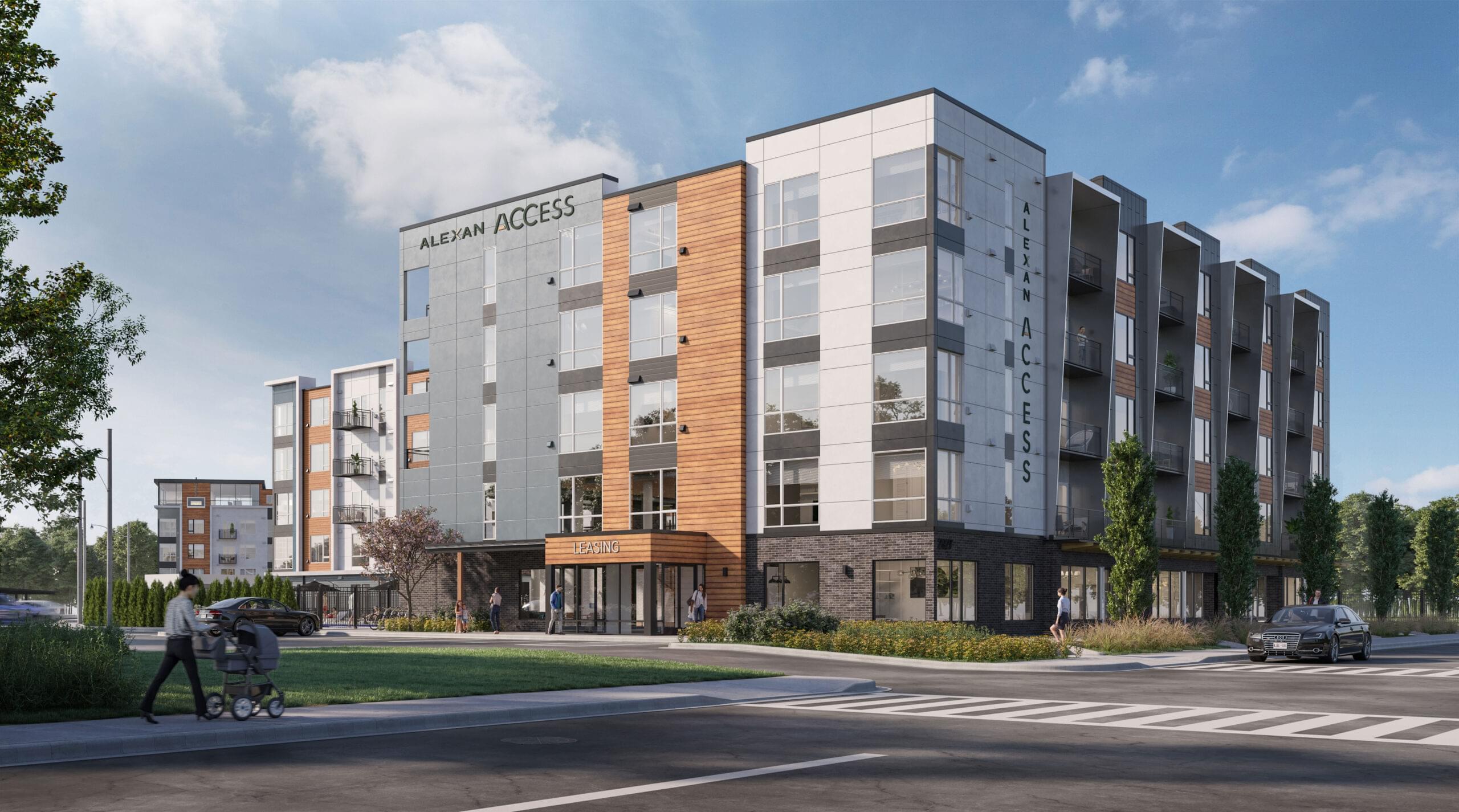
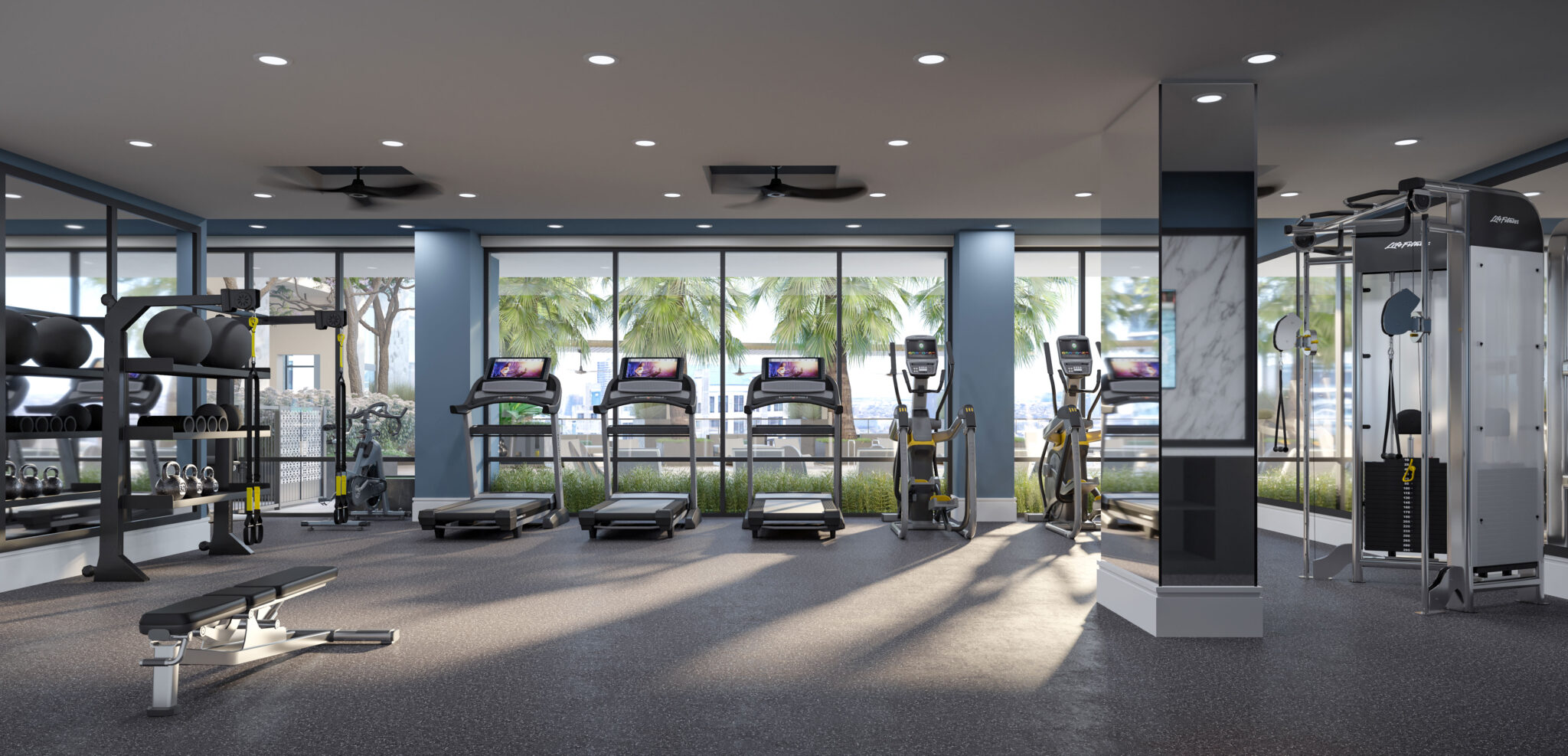
For years, photorealistic rendering meant long render farm queues, overnight waits, and careful file management. That era is ending. Real-time rendering engines like Unreal Engine 5, with its Lumen lighting and Nanite geometry systems, have closed the gap between interactive previews and final-quality output to near zero.
What this means practically: clients can now walk through an unbuilt building, rotate a product, or explore an environment — all in real time, at cinematic quality. The static hero image is not disappearing, but it is being joined by interactive experiences that were simply not feasible three years ago.
For studios, the shift demands new skills. Artists who understand real-time pipelines, shader optimization, and interactive deployment are increasingly valuable. The deliverable is no longer just an image or animation — it can be a fully navigable experience.
AI and 3D Are Becoming Inseparable
The integration of AI into 3D workflows is no longer a future-tense conversation. It is happening now, and it is accelerating.
AI-assisted tools are compressing the most time-intensive stages of production — concept generation, texture creation, asset population, lighting exploration, and render post-processing. Studios that have integrated these tools thoughtfully are delivering faster without sacrificing quality. Studios that have ignored them are facing pressure on timelines and margins.
But the more interesting development is not AI as a speed tool — it is AI as a creative collaborator. Generative tools are beginning to inform decisions, not just execute them. The question is no longer “can AI make a 3D asset?” It is “what can a skilled artist create when AI handles the mechanical and they focus entirely on the intentional?”
At OPTIX CGI, we believe the answer is: significantly more.
Immersive Formats Are Expanding the Brief
Virtual reality, augmented reality, and mixed reality are steadily moving from experimental formats to expected deliverables in certain sectors — particularly real estate, architecture, and premium product marketing.
The brief used to be clear: render a hero image, produce a walkthrough video, deliver files. Today, clients are increasingly asking for experiences: a VR tour that a buyer in another country can step into, an AR overlay that lets a customer see a piece of furniture in their actual room, a mixed reality presentation for a client pitch.
These are not niche requests. They are becoming standard expectations in competitive markets. The studios and artists building fluency in these formats now will be the natural partners when those briefs arrive at scale.
Hyper-Personalization at Production Scale
One of the most significant emerging shifts is the move toward personalized visualization — renders and experiences that adapt to the individual viewer. In product marketing, this means dynamic imagery that changes based on configuration choices, regional preferences, or platform context. In architecture, it means visualizations tailored to specific buyer profiles.
What was once a custom, expensive production is becoming increasingly automatable. AI-driven pipelines can generate hundreds of asset variations from a single base model, each optimized for a different use case. For clients who need volume and specificity, this is transformative.
Sustainability Is Becoming a Creative Consideration
An underacknowledged shift: clients are beginning to choose 3D visualization specifically because it reduces physical production. No product shoots requiring logistics, travel, and waste. No physical mock-ups. No sets.
This is not purely idealistic — it is economically rational. A fully 3D product campaign can be produced faster, with greater flexibility, at competitive cost, without the carbon overhead of a traditional shoot. For brands with sustainability commitments, this matters. Studios that can articulate the environmental case alongside the creative one are increasingly well-positioned.
What This Means for How We Work
The future of 3D visualization is not a single image delivered at end of a long production cycle. It is a living asset — created faster, updated easily, deployed across formats, and experienced directly by the end audience rather than observed passively.
At OPTIX CGI, we are investing in exactly this: real-time capabilities, AI-integrated workflows, immersive format expertise, and production pipelines built for the speed and flexibility that 2026 and beyond demand. The visual standard is rising. We intend to rise with it.